admin
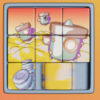
A sliding puzzle game offers a simple way to test visual thinking and problem-solving skills. In this picture-based game, you can choose from six different images and three difficulty levels. Tap the display to shift the blocks, then work toward completing the picture as quickly as you can. The range of images and challenges makes it easy to choose a puzzle that suits your mood and experience.
How to Play the Sliding Puzzle Game
Start by selecting one of the available pictures and choosing a difficulty level. The game presents the image as separate blocks, and tapping the display moves them. Use the picture as a guide while arranging the blocks into the complete image. The exact challenge depends on the selected level, so begin with an easier option if you are new to sliding puzzles.
As you play, aim to solve each puzzle efficiently and try to beat your top scores. Moving quickly can help, but taking a moment to plan each tap may prevent unnecessary moves. If a block does not move as expected, check the available spaces and try another move rather than tapping repeatedly.
Choosing a Difficulty Level
Three difficulty levels give players a choice of challenge. A lower level can be a useful place to learn how the blocks shift and how the picture fits together. More challenging settings may require closer attention and more careful planning. Choose a level that feels manageable, then increase the challenge when you are ready.
- New to the game: Begin with an easier level and focus on understanding how each tap changes the arrangement.
- Looking for a challenge: Try a higher level and take time to study the image before making moves.
- Practicing for a better score: Repeat a puzzle and look for moves that bring several blocks closer to their correct positions.
Tips for Solving Picture Puzzles
Before moving blocks, look at the full picture and identify recognizable details, such as strong colors or distinct shapes. These visual clues can help you work out where parts of the image belong. Focus on a small section at a time instead of trying to rearrange every block at once.
It can also help to pause briefly after each move and check how the arrangement has changed. A deliberate approach may make it easier to avoid undoing progress. Since the goal includes solving the puzzle quickly, practice can help you recognize useful patterns without rushing through every tap.
Enjoy a Quick, Flexible Puzzle Break
With six pictures and three difficulty levels, this sliding puzzle game provides options for both a short, relaxed session and a more demanding challenge. Select an image, choose a suitable level, and tap the display to shift the blocks. For the best results, study the picture, plan your moves, and work toward completing the puzzle while improving your score.