admin
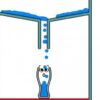
Cheerful Glass is a simple creative activity built around one small idea: an empty vessel can look gloomy, while filling it with something bright can make the scene feel joyful. Use the prompt for a quick drawing, a digital illustration, or a playful conversation about how small changes can affect a picture’s mood. There is no single correct result; the aim is to transform the glass in a way that communicates happiness.
How to Create a Cheerful Glass
Start by drawing or imagining a glass with nothing inside it. Keep the first version simple. A plain outline and a little space around the vessel are enough to establish the starting point. If you are using paper, a pencil makes it easy to adjust the shape. In a drawing app, use a separate layer if you want to keep the outline and decorations apart.
Next, decide what could fill the glass and make it seem more cheerful. You might show a drink, flowers, colorful shapes, or another suitable detail. These are optional ideas rather than requirements: choose something that fits the style and mood you want. Add color and small features gradually so the vessel remains easy to recognize.
- Begin with the outline: Draw a clear glass shape before adding details.
- Choose a joyful addition: Pick a filling or decoration that supports the mood of your picture.
- Use color with purpose: A few well-chosen colors can make the transformation clear without overcrowding the scene.
- Review the result: Compare the empty and filled versions and consider which details make the glass feel more lively.
Ways to Adapt the Activity
For a short version, draw one glass and add a single cheerful element. For a longer exercise, make two small sketches: one showing the empty, gloomy vessel and another showing it replenished. This side-by-side approach makes the change in mood easy to notice. You can also invite children or beginners to explain their choices, such as why they selected a particular color or what they placed inside the glass.
If the activity is being used as a drawing exercise, focus on one skill at a time. Practise the glass outline first, then work on color, shading, or decorative details. Keeping the task manageable can make it easier to finish and gives the artist room to experiment without needing a complicated scene.
Why the Cheerful Glass Prompt Works
The prompt offers a clear before-and-after idea that can be understood quickly: the vessel begins empty and gloomy, then becomes joyful when it is replenished. That simple contrast leaves plenty of space for personal interpretation. The glass can be drawn realistically or represented in a more imaginative style, as long as the change from empty to cheerful remains understandable.
To complete the Cheerful Glass activity, make the transformation visible with a thoughtful addition, a clear outline, and details that suit the intended mood. Keep the design as simple or expressive as you like, and use the finished image to show how filling an empty vessel can bring joy to the scene.